New Guide for Warrington Homeowners with Spray Foam Insulation Concerns
Homeowners worried about spray foam insulation in their property will find lots of helpful advice in a new consumer guide.
The Property Care Association (PCA) has published a guide for homeowners detailing the practical steps they can take if spray foam is present in their property.
As many as 250,000 properties in the UK have spray foam insulation.
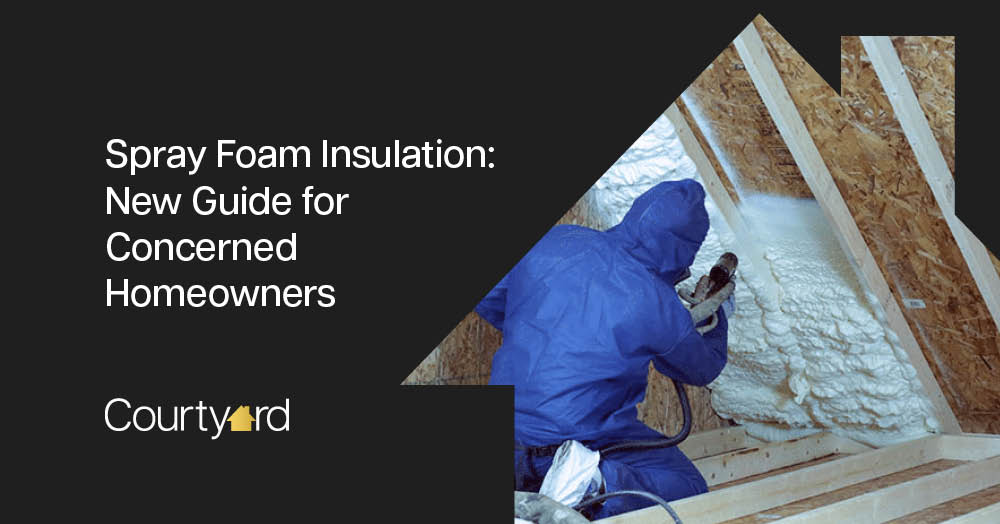
It’s a type of insulation sprayed in liquid form onto the underside of a property’s roof, which then expands and sets.
Spray foam is marketed as a quick way to insulate a property and reduce heating bills.
However, in recent years concerns have been raised that the product could have a detrimental impact on the structure of a property.
As a result, some banks won’t lend against properties with spray foam insulation.
This means that when homeowners put their property on the market, they find it difficult to find a buyer as the property is unmortgageable.
It can also be an issue for homeowners seeking equity release.
Why is spray foam a concern?
Spray foam can block airflow and cause the build-up of moisture. Over time, this can lead to mould and damp and eventually cause roof timbers to decay.
It’s important to point out that spray foam doesn’t cause a problem in every instance.
But as it obscures the visibility of the inside of the roof, it’s difficult for surveyors to inspect the structure to know if there’s an issue or not.
As a result, some lenders have a blanket ban on lending on such properties.
What to do if you have spray foam in your home
Don’t panic. As we pointed out earlier, some properties with spray foam don’t experience any problems.
However, if you feel concerned, download a copy of the report (available at https://www.property-care.org/).
You may also consider engaging a suitably competent surveyor to assess your property.
If the surveyor recommends removal, make sure you commission a qualified, reputable tradesperson to carry out the work.
Warning
Trading Standards has highlighted cases where rogue removal firms have targeted vulnerable homeowners.
Be wary of unsolicited callers and never be rushed into agreeing to work on the spot - the person pressuring you may not have the specialist skills to do the job, or they may overcharge you.
Always get more than one quote for remediation work and check the legitimacy of the person quoting to carry out work.
If you know someone who would find this article helpful, please share it with them.